
El Salvador travel guide: how to plan your first trip
A practical El Salvador travel guide from locals on the coast — when to go, where to stay, how to get around, costs, and how to plan a simple first trip.
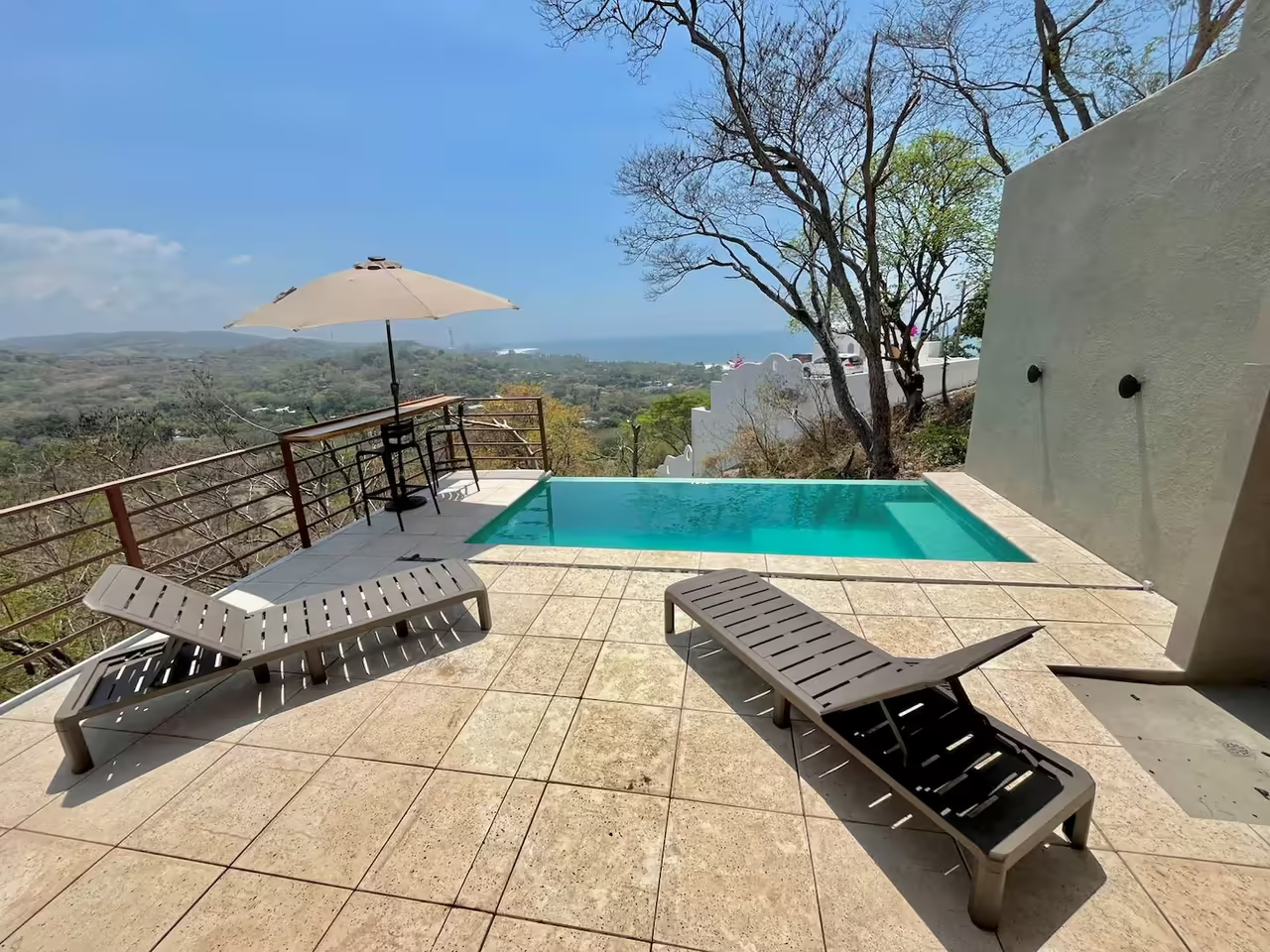
El Salvador is the smallest country in Central America and, for a long time, the most overlooked. That’s changing fast: travelers come now for world-class waves, volcanoes you can climb in a morning, highland coffee, and a Pacific coast that stays warm all year. This guide pulls together everything you need to plan a first trip — written from Cerromar, on the El Sunzal coast, where we host travelers year-round.
Why visit El Salvador
The country’s biggest advantage is its size. You can be surfing a point break at sunrise, eating ceviche at a fishing pier by lunch, and walking a colonial coffee town in the afternoon — all in the same day. There are no long internal flights and few exhausting transfers. For a one-week trip, that means more time enjoying places and less time moving between them.
The coast is the easiest entry point. The international airport (SAL) sits about 50 minutes from the El Sunzal / Surf City beaches, so you can land and be in the water the same afternoon.
When to go
El Salvador has two seasons. The dry season (November–April) brings reliable sun and is the most popular time to visit. The green season (May–October) is warmer and wetter, with short afternoon storms and fewer crowds — and, for surfers, the biggest Pacific swells. For more detail on weather, money, and getting around, see our El Salvador travel tips.
Where to go
A simple first-trip framework: pick one coastal base and take day trips.
- The coast (Surf City): El Sunzal, El Tunco, and El Zonte — surf, sunsets, seafood, and the easiest place to relax. Start your reading with our Surf City wave guide and our best beaches in El Salvador roundup.
- Ruta de las Flores: colonial towns and coffee farms in the western highlands (Ataco, Apaneca, Juayúa), an easy day trip from the coast.
- San Salvador: the capital, good for a museum, a rooftop dinner, and the airport connection.
- Suchitoto & Lake Coatepeque: lake views and a slower, historic town if you have extra days.
For a ready-made route, follow our 5-day El Salvador itinerary.
Is it safe?
This is the most common question we get, and it deserves an honest answer rather than a slogan. The short version: El Salvador has changed dramatically, and tourism areas on the coast are calm and welcoming. We wrote a full, practical breakdown in is El Salvador safe? — read it before you book so you travel informed.
Where to stay
On the coast, decide between the lively beach towns (El Tunco for nightlife, El Zonte for a quieter scene) and a calmer hillside base nearby. We’re biased, but a base in Cerromar / El Sunzal gives you quick access to the waves without the late-night noise. See our full breakdown in where to stay in Surf City, or jump straight to the units:
- Cresta — top-floor apartment with the best Pacific view.
- Ceiba — a cooler apartment among the treetops.
- Cueva Studio 1 and Cueva Studio 2 — twin studios, great booked together for four.
What it costs
El Salvador uses the US dollar, which makes budgeting simple for North American travelers. Local food (pupusas, comedores) is inexpensive; surf-town restaurants and lodging sit at a comfortable mid-range. You don’t need to change money, and cards work in most established places — though it’s smart to carry some cash for markets and small comedores.
A simple plan
If this is your first trip and you only remember one thing: keep one base on the coast and take short day trips. Land at SAL, settle into Surf City, surf and eat for a few days, take one inland day for the volcano and coffee country, and fly out relaxed. From there, every other guide on this site fills in the details.
Ready to choose dates? Browse all four stays or book direct.