The Best Time of Year to Visit El Salvador for Surfing (and Why)
The best time to surf in El Salvador is March through October, with the cleanest, most consistent swell landing between April and September — here is what each season feels like on the water at Surf City.
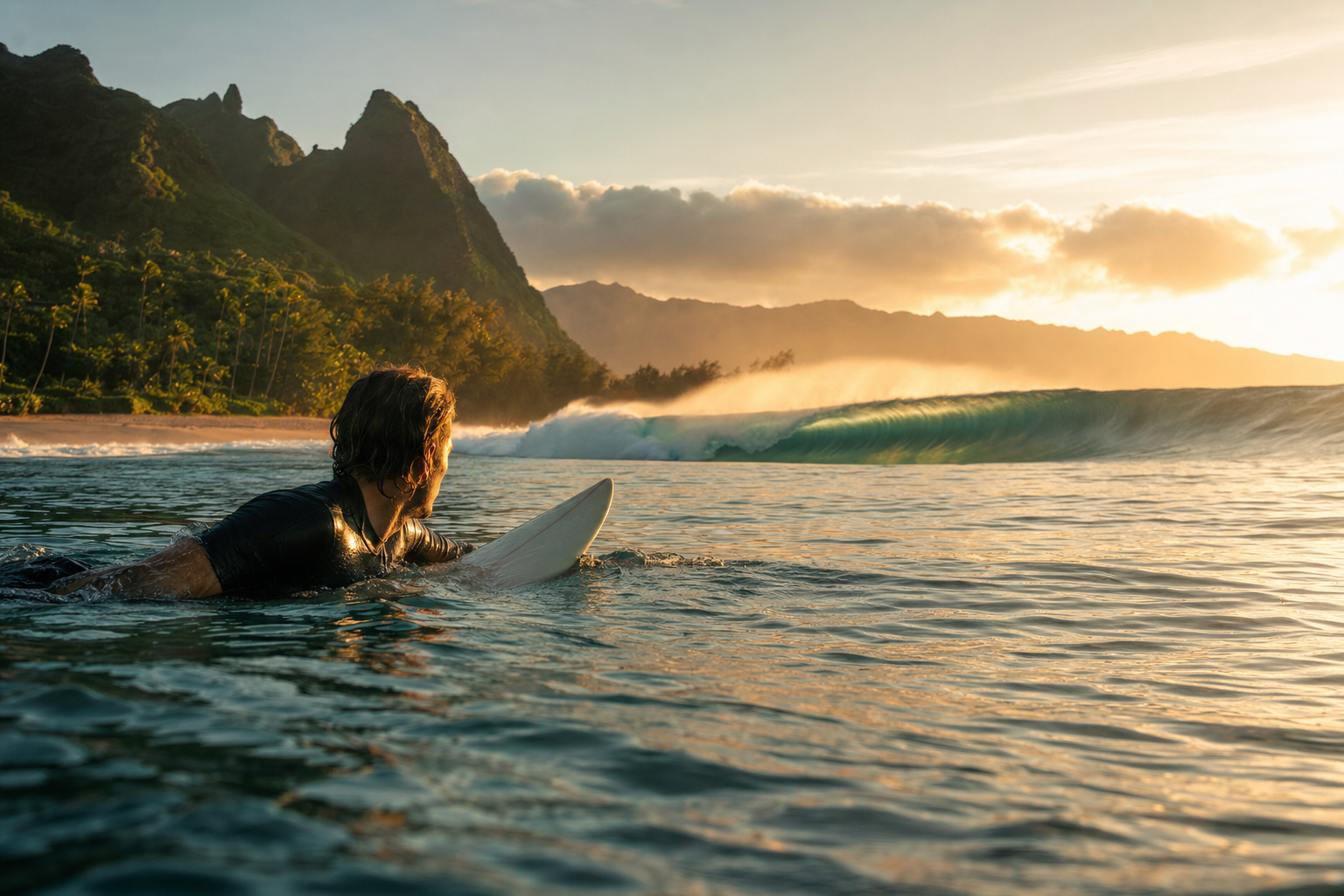
The best time to surf in El Salvador is March through October, with the cleanest, most consistent swell landing between April and September. That window is when south and southwest swells march up from the Southern Hemisphere winter and hit the Pacific points of La Libertad at the right angle. If you want the wave the magazines photograph at El Sunzal, book a trip inside that window. If you want fewer people in the lineup and warm offshore mornings, the shoulder months reward you differently.
Here is what each season actually feels like on the water at Surf City, and how to choose.
Why El Salvador’s surf season runs March to October
El Salvador faces south. The points along the La Libertad coast, El Sunzal, El Tunco (La Bocana and Sunzal Point are minutes apart), Punta Roca, and El Zonte further west, all wrap south and southwest swell. When the Roaring Forties spin up storms below New Zealand and off the coast of Chile between April and September, that energy travels thousands of miles and lands as long-period groundswell on these reefs and points.
That is the physical reason the season is what it is. Winter in the Southern Hemisphere is summer in El Salvador. The same months that bring the rainy season here (May to October) also bring the biggest, cleanest, most reliable surf. The two are linked.
Peak season: April to September
This is when serious surfers book. Expect:
- Wave size: Chest-high to double-overhead at the points, with regular pulses of bigger swell. Sunzal is a long, mellow right that handles size beautifully. Punta Roca turns on as one of the best right-hand points in Central America.
- Consistency: Multi-day swell windows are the norm, not the exception. You rarely get skunked for a full week.
- Water temperature: Warm enough for boardshorts year round. Most guests surf without a wetsuit; a rash guard is plenty.
- Crowds: Busier, especially at Sunzal Point and La Bocana on weekends. Dawn patrol is your friend.
- Weather: Mornings tend to be clear and glassy. Afternoon thunderstorms roll through in the wet season, often clearing by evening. This is tropical rain, intense and short, not all-day drizzle.
If you only have one trip in you, aim for late April through early July. You get the swell, the water is warm, the hillsides are green from the first rains, and the crowds have not yet peaked.
Shoulder season: March and October to November
These months are underrated. Swell is less constant but still very surfable, and the lineup thins out noticeably midweek. March is drier and the visibility down the coast is exceptional. October can deliver some of the cleanest, largest swells of the year as late-season Southern Hemisphere storms fire off one more time before winter.
Travelers who want to combine surf with sightseeing, day trips to Ruta de las Flores, the Santa Ana volcano, or Suchitoto, often prefer these months because the weather cooperates with land plans too. Our El Salvador travel guide covers that side of the trip in detail.
Off season: December to February
This is the “dry, small, mellow” window. Swell drops in size and consistency as the Southern Hemisphere shifts to summer. You will still surf, often in clean knee to chest-high conditions, ideal for longboarders, improvers, and anyone learning. Sunzal in particular is forgiving in this season, which is why it remains one of the best places in the region to take a first lesson.
If you are bringing a non-surfing partner, traveling with friends of mixed ability, or simply want guaranteed sunshine, December and January are excellent months to be on this coast. Crowds are low, the air is dry, and sunsets over the Pacific are reliably spectacular.
How to choose your window
- Want the biggest, most consistent waves? May to August.
- Want strong swell with fewer crowds? Late April, September, October.
- Learning, or mixing surf with travel? March, November, December, January.
- Avoid? Mid-September can bring the heaviest rain bands of the year. Plan a flexible itinerary if you come then.
For a wave-by-wave breakdown of Sunzal, La Bocana, Punta Roca, and El Zonte, see our Surf City wave guide. When you are ready to pick a base near the points, our where to stay in Surf City breakdown explains how El Sunzal, El Tunco, and El Zonte compare for surf access, quiet, and nightlife.
Casa Marea sits in Cerromar, walking and short-drive distance to all of them. If you are timing a trip around the swell, that is the practical advantage: one base, every wave within reach.